The Ultimate Ceramic Coating for Cars Guide: Discover the Best Ceramic Coat, Ceramic Protection, Ceramic Paint Options, and Protection Kit Essentials
Every vehicle enthusiast dreams of a car that maintains its showroom shine forever. Achieving that flawless, mirror-like finish requires more than just a quick wash; it requires advanced technology. In the modern era of auto detailing, finding the best ceramic solution is paramount for preserving your vehicle. Whether you are looking for a standalone ceramic coat, comprehensive ceramic coating for cars, cutting-edge ceramic protection, specialized ceramic paint treatments, or an all-inclusive protection kit, understanding the science and application of these products will transform how you care for your vehicle.
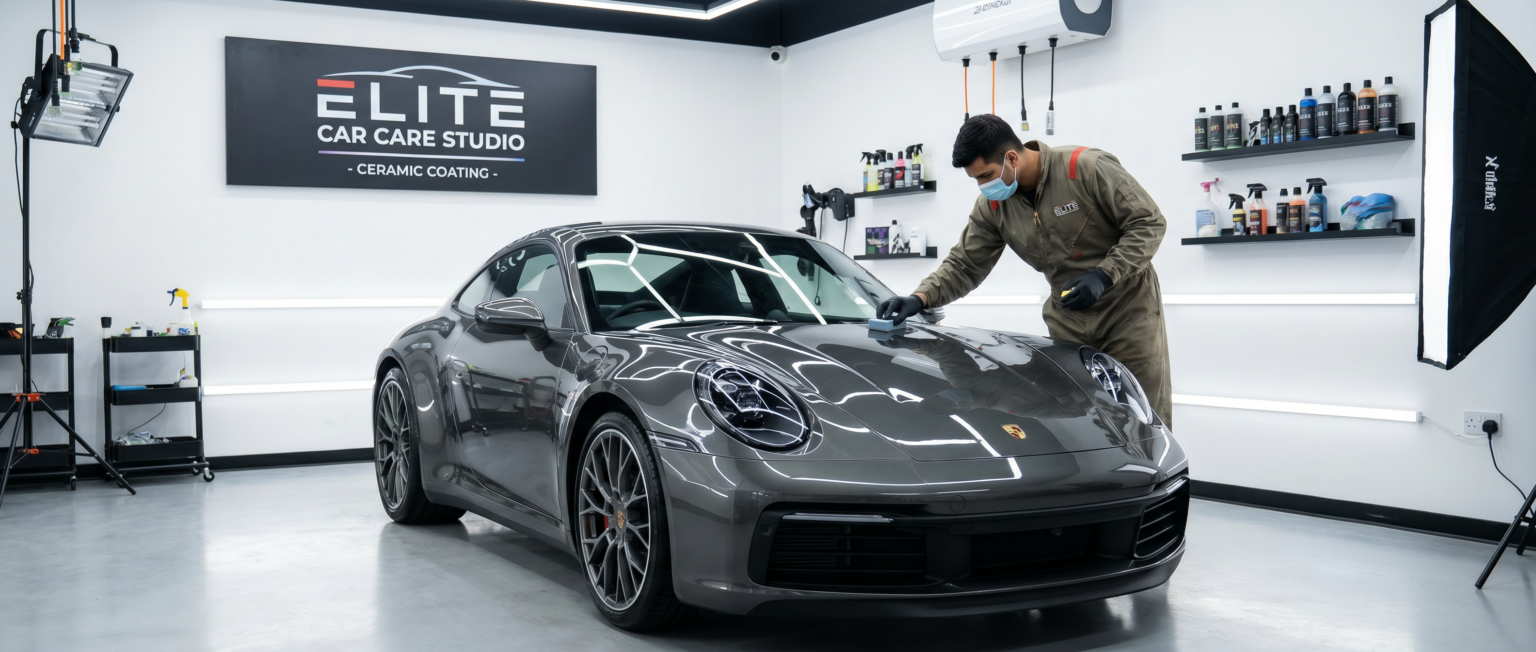
Understanding the Basics of Ceramic Coat and Ceramic Coating for Cars
When evaluating how to best protect your vehicle’s paint, it is crucial to understand what these products actually are. A ceramic coating is a liquid polymer that is carefully applied to the exterior surfaces of a vehicle. Unlike traditional carnauba wax or a basic paint sealant, a ceramic coating doesn’t just sit on the surface; it chemically bonds with the vehicle’s factory clear coat. This bond creates a permanent or semi-permanent protective layer that will not wash away or break down over a few months.
How Ceramic Paint and Ceramic Sprays Differ from Wax and Polish
For decades, car owners relied on wax and polish to achieve high gloss and temporary paint protection. However, wax provides only minimal resistance against environmental hazards and wears off quickly. Polish is used to remove an imperfection or swirl marks through abrasion, but it does not leave a protective layer behind.
Modern ceramic sprays and professional coatings represent a massive leap forward. Brands like Chemical Guys offer entry-level products, while premium solutions like Norex Guard and Norex Ceramic provide top-tier, long-lasting results. Whether you choose a professional grade liquid or a ceramic spray coating, these ceramic coatings offer superior durability and unmatched slickness. They enhance the ceramic paint look, giving the vehicle a deep, rich appearance that outlasts any traditional wax.
The Science of Ceramic Protection: UV Protection, Durability, and Water Beading
The core advantages of ceramic coatings lie in their molecular structure. Once the liquid polymer cures, it forms a rigid shield over the vehicle’s paint. This microscopic barrier is incredibly dense, providing unmatched uv protection against the sun’s harmful uv rays, which cause oxidation and fading over time.
Achieving High Gloss and Hydrophobic Effects with Graphene Ceramic Coating
The buzzword in the detailing industry today is hydrophobic. A high-quality graphene ceramic coating or a traditional nano ceramic coating creates a surface with exceptionally low surface energy. This means water cannot easily grip the surface. Instead, you get incredible water beading. When water hits the coated car, it forms tight beads and rolls right off, carrying away dirt and grime in a self-cleaning effect.
This hydrophobic nature also prevents water spots and makes the vehicle significantly easier to clean. The durability of these products is staggering; depending on the formula, coatings can last anywhere from 1 to 5 years, providing lasting protection and shine and long-lasting protection that keeps your car looking pristine.
The Crucial Preparation: Paint Correction and Car Wash
You cannot simply slap a coating onto a dirty car. The condition of the paint dictates the final result. If you apply a ceramic coating over dirt or scratches, those defects will be locked under the hard layer.
Why You Should Apply a Ceramic Coating After Car Wash and Paint Correction
The journey to a flawless finish begins with a meticulous car wash. You must thoroughly wash your car to remove loose dirt. Next comes the decontamination phase, using a clay bar to pull out embedded contaminant particles like industrial fallout or brake dust.
Following the wash, paint correction is almost always necessary. This involves machine polishing the car’s paint to remove swirl marks, light scratches, and oxidation. The goal is to restore a flawless base. A ceramic coating isn’t a magic eraser; it amplifies whatever is underneath it. Therefore, achieving the perfect paint look requires patience and precision during the polishing stage. Only after the paint is completely bare and polished should you apply the coating.
Comparing Options: Chemical Guys Ceramic Spray Coating and Cerakote Rapid Ceramic
The market is flooded with various types of coatings, ranging from simple ceramic sprays to intensive professional grade solutions.
The Role of Paint Sealant and Rapid Ceramic Paint Sealant
A traditional paint sealant is a synthetic product designed to mimic the effects of a coating, usually lasting about six months. Today, products like rapid ceramic paint sealant or cerakote rapid ceramic bridge the gap between sealants and true coatings. They are easier to apply than a full ceramic car coating but offer better durability and a more intense gloss than older polymer sealants.
Exploring Car Ceramic Coating, Hybrid Ceramic, and Nano Ceramic Options
For those looking for something more robust, a hybrid ceramic blends traditional polymers with SiO2 (silicon dioxide) for an easy-to-use product that delivers excellent slickness. However, for the ultimate enthusiast, a true nano ceramic liquid, such as CarPro CQuartz UK 3.0 or a heavy-duty carbon force ceramic coating, is the gold standard. These require careful application, ensuring the coating to cure properly, often needing to be kept out of direct sunlight and away from moisture for at least 24 hours to bond to the paintwork perfectly.
DIY Ceramic Coating vs. Professional Paint Services
A common question among car owners is whether to tackle the job themselves or hire a professional.
Building Your Protection Kit with Microfiber, PPF, and the Best Ceramic
If you opt for a diy ceramic coating, you need the right tools. A complete protection kit should include high-quality microfiber towels, applicator pads, surface prep sprays, and the best ceramic liquid you can afford. Applying a coating yourself saves money but requires a controlled environment and meticulous attention to detail to ensure the best results.
Conversely, a professional paint correction and coating service takes the stress out of the process. Professionals have access to exclusive, commercial-grade formulas that offer thicker layers and longer warranties. For maximum security, many professionals recommend combining a ceramic coating with PPF (Paint Protection Film). While ceramic coatings provide excellent chemical resistance, they are still microscopic. If you want to truly protect against rock chips, PPF is required. The ideal scenario is applying PPF to high-impact areas and then applying ceramic coating over the entire vehicle, creating the ultimate layer of protection.
Can a Car Ceramic Coating Protect Against Rock Chips?
It is vital to manage expectations. A common misconception is that a ceramic coating makes a vehicle bulletproof. Protection against rock chips is a physical barrier issue. Because a coating is incredibly thin, it cannot absorb the impact of a flying stone. If your primary goal is to prevent rock chips from chipping the vehicle’s paint, you must use Paint Protection Film (PPF). However, the ceramic coating excels at stopping chemical damage that would otherwise damage the paint, such as acidic bird droppings, sticky tree sap, and harsh environmental contaminants.
Maintaining Slickness and Long-Lasting Protection
Once your car is coated, the way you maintain it changes. A coated car requires specific care to keep the hydrophobic properties active and the surface slick to the touch.
Applying Ceramic: How to Wash My Car and Use a Spray Bottle
“How do I wash my car now?” is a common question. You should avoid automated car washes with harsh brushes. Instead, utilize a two-bucket hand wash method with a pH-neutral shampoo. The smooth, self-cleaning nature of the coating means that water and dirt slide off easily, drastically reducing the time spent washing the car.
To maintain that freshly coated feeling, you can use ceramic maintenance sprays. Keeping a spray bottle of a silica-infused detailer in your trunk allows you to quickly wipe down light dust or water droplets. When used with a plush microfiber towel, these top-up sprays rejuvenate the water beading and ensure long-lasting protection.
Getting the Car Right: CarPro CQuartz UK 3.0 and Slick to the Touch Finishes
Whether you are protecting brand-new cars straight from the dealership or restoring a classic, getting the best protection requires doing the car right. From the initial wash to the final buff, every step matters. Products like Norex Guard, Norex Ceramic, or the renowned CarPro CQuartz UK 3.0 deliver a surface that is incredibly slick to the touch and visually stunning.
By understanding the differences between a basic sealant and a true liquid polymer coating, preventing stain damage from the environment, and committing to proper maintenance, you can keep the car looking immaculate. Ultimately, to make your car and keep your car at its absolute peak, investing in a high-quality ceramic coating is the smartest decision any car enthusiast can make.
How It Works
Vehicle Inspection & Prep
We inspect the paint and prep your vehicle with a deep wash and decontamination for optimal coating adhesion.
Paint Correction
Swirls, scratches, and imperfections are polished out to restore a flawless base before coating begins.
Ceramic Application
We apply premium ceramic coating to all exterior surfaces, bonding it to the paint for long-term protection.
Curing & Final Inspection
After curing, we inspect the finish to ensure uniform gloss, durability, and maximum hydrophobic effect.
Before & After Transformation
See the dramatic difference ceramic coating makes—restoring clarity, depth, and shine while adding a durable layer of protection. Every detail counts, and the results speak for themselves.

