Paint Protection Film: The Ultimate PPF,Norex, and Norex Guard Paint Protection Film Installation Guide for Surface Protection
When it comes to maintaining the aesthetic appeal and structural integrity of your vehicle’s exterior, the advancements in modern automotive detailing have introduced revolutionary solutions. The most prominent and effective of these is paint protection film, commonly referred to as PPF. Whether you are a daily commuter facing harsh road debris or an auto enthusiast wanting to preserve the showroom shine of a luxury sports car, understanding how to properly utilize surface protection is critical.
In this comprehensive guide, we will explore everything you need to know about PPF, from the legendary norex and norex guard paint protection film products to the meticulous installation process. We will dive deep into how these advanced polymer shields act as an invisible barrier for your surface, keeping your car paint looking pristine and flawless for years to come. If you want to protect your vehicle and maximize its resale value, investing in high-quality automotive paint protection is undoubtedly worth the cost.
Automotive Paint Protection Films: What is PPF and How Does It Work?
Automotive paint protection films are highly advanced, thermoplastic urethane materials designed to be applied to the exterior surfaces of a vehicle. Originally developed by the military to protect helicopter rotor blades from shrapnel and dust, the technology has successfully transitioned into commercial automotive applications. Today, paint protection film is the gold standard for anyone looking to defend their investment against daily environmental hazards.
The Evolution from Clear Bra to Advanced Surface Protection
In the early days of automotive detailing, the most common form of frontal protection was the vinyl clear bra. While effective at stopping a major chip or scratch, older films were prone to discoloration, turning an unsightly yellow after prolonged exposure to the sun’s uv rays. Modern protective films have vastly improved. Today’s premium paint protective film options are engineered with advanced elastomers that not only stop a rock chips but also offer remarkable self-healing properties. When exposed to heat from the sun or a heat gun, the film can repair minor scratches and swirl marks on its own, ensuring the clear paint underneath remains untouched.
Why You Need to Protect the Paint from Road Debris
Driving on highways across north america exposes your vehicle to a constant barrage of hazards. Road debris, stray gravel, and loose asphalt are the primary culprits for paint chips and severe environmental damage. A single trip can result in multiple impacts on your front bumper and hood. By choosing to install a high-quality PPF, you create a sacrificial layer of armor. This transparent shield effectively absorbs the kinetic energy of flying rocks and prevents damage to the factory clear coat. Furthermore, it acts as a stain resistant layer against bird droppings, tree sap, and acidic bug splatter, which can quickly eat through unprotected paint.
Top Brands in the Industry: 3M, XPEL, and Norex Guard Paint Protection
The market for automotive paint protection is filled with various manufacturers, but a few key players have set the benchmark for quality, durability, and optical clarity.
Norex Clear and the Legacy of Norex Shield Paint Protection Film
When people think of adhesive technology and surface protection, Norex is often the first name that comes to mind. As a pioneer in the industry, they manufacture some of the most reliable protective solutions available. The modern Norex paint protection film is renowned for its incredible gloss and stain resistant topcoat. Specifically, the Noreclear product line offers unparalleled transparency, making it virtually undetectable once applied. Many dealerships and independent shops prefer Norex TPU because of its comprehensive warranty and consistent performance in extreme weather conditions.
Exploring VViViD Paint Protection and Other Alternatives
For consumers exploring different price points and coverage options, vvivid paint protection offers accessible solutions. While top-tier professional films dominate the luxury market, brands like VViViD provide reliable alternatives that still deliver solid surface protection. Whether you are sourcing from a certified dealer or an independent distributor, it is crucial to ensure the film you choose meets your specific needs for gloss, thickness, and longevity.
The Installation Process: How to Install and Apply PPF Professionally
The true performance of any paint protection film relies heavily on the quality of the installation. Applying this material is a highly specialized skill that requires patience, precision, and a surgically clean environment. While a diy approach might be tempting for smaller areas, having a certified installer handle the job ensures a flawless finish.
Preparation: The Key to Pristine Car Paint
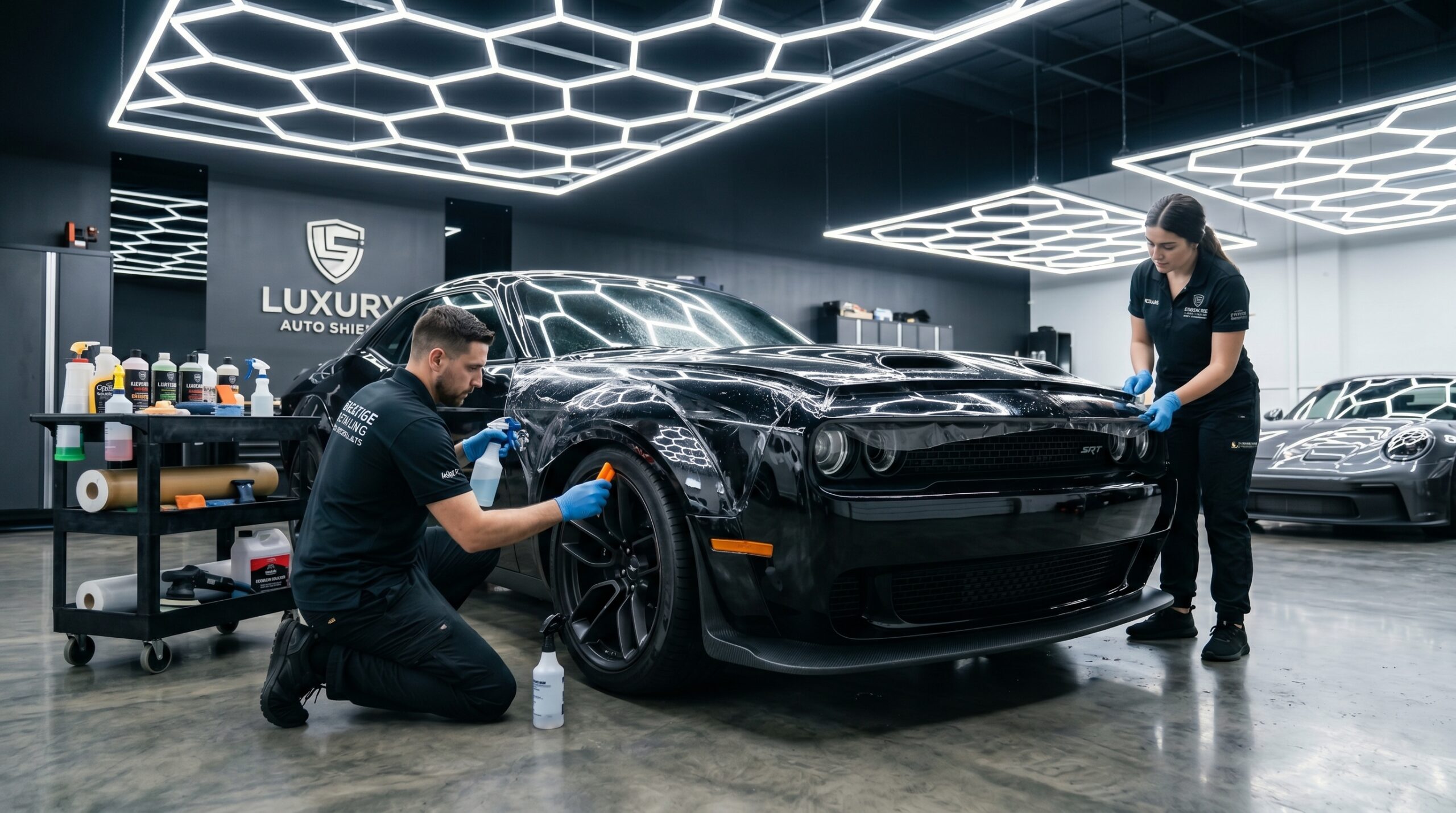
Before a single piece of film touches the vehicle, the surface must be immaculately prepped. This involves a thorough wash, chemical decontamination to remove iron particles, and a clay bar treatment to extract embedded debris. Often, a light machine polish is required to remove any existing minor scratches or swirl marks. If you trap imperfections under the transparent film, they will be magnified and locked in place. The goal is to make the car paint look like a perfect mirror before the PPF is laid down.
The Gel and Cure Process During Application
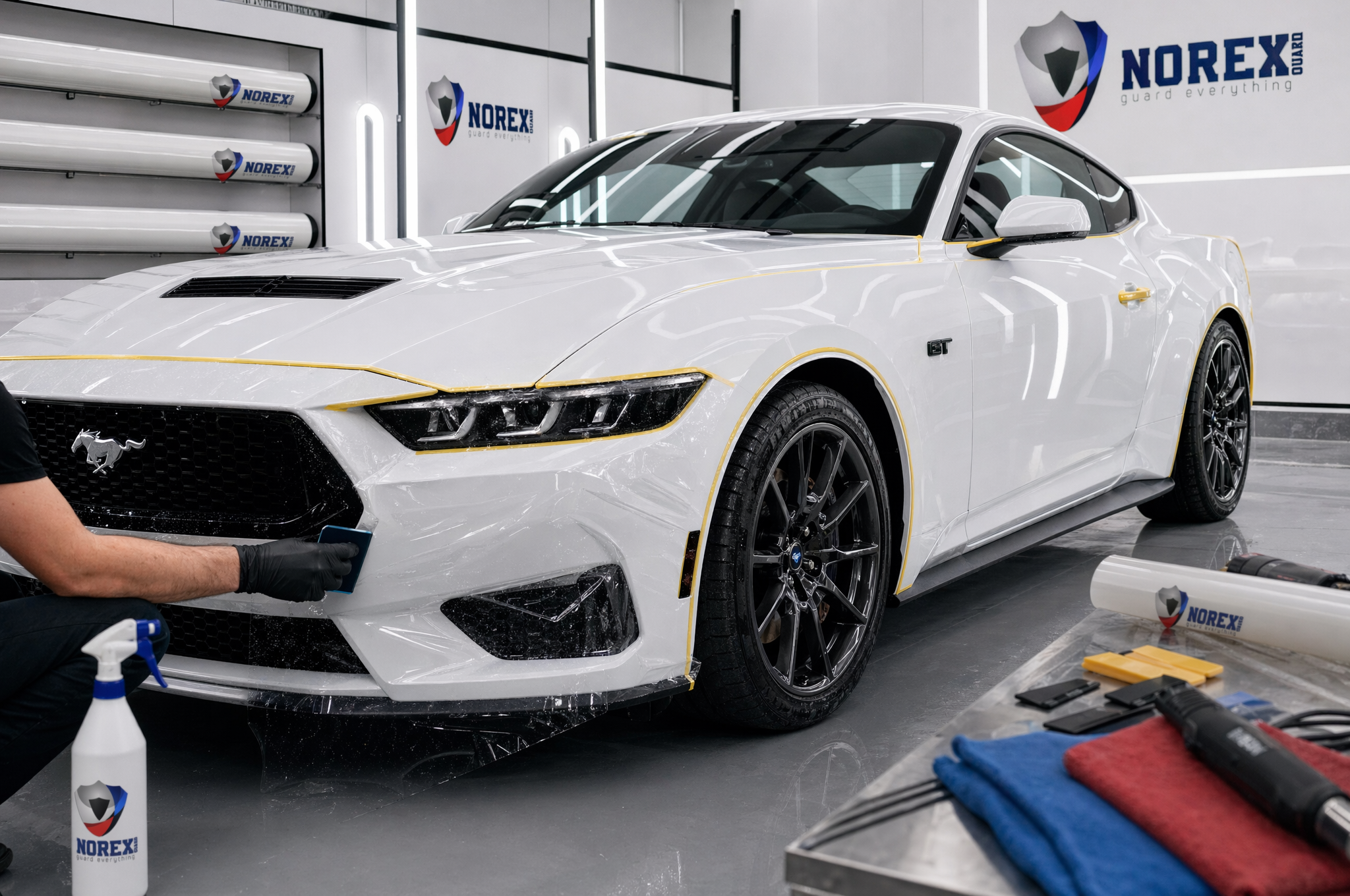
To successfully apply ppf, an installer will use a specially formulated slip solution or gel. This allows the film to glide over the clear paint until it is perfectly aligned. Once in position, the installer uses a squeegee to push out the liquid and air bubbles, allowing the adhesive to bond with the surface. The material must then be allowed to cure. The cure time varies depending on temperature and humidity, but it is essential for ensuring the film adheres fully and provides a seamless, invisible finish without lifting at the edges.
DIY vs. Having it Done Professionally
While kits exist for the diy enthusiast, applying film to complex curves, like a heavily contoured front bumper or modern side mirrors, requires stretching the material without distorting the adhesive or the clear topcoat. Professionally installed films are often custom-cut using advanced plotting software to ensure exact fitment. Attempting to install a large sheet on a hood without experience usually results in wrinkles, silvering, and wasted material. Therefore, entrusting a reputable dealer is highly recommended to guarantee the durability and validate the manufacturer’s warranty.
Film Types and Finishes: Glossy, Satin, and Vinyl Wrap Comparisons
While the primary goal is to protect the paint, the aesthetic versatility of modern films has expanded significantly. You are no longer limited to a simple transparent layer.
Gloss, Satin, and Matte Paint Protection Film
The traditional choice is a high-gloss or glossy finish that perfectly mimics and enhances the factory clear coat. However, if you want to completely transform the look of your car while still utilizing automotive paint protection films, a matte paint protection film or satin finish is an exceptional choice. A satin film over gloss paint will freeze the color, giving it a sleek, aggressive, and highly customized appearance. Popular choices include converting glossy black vehicles into stealthy satin black machines. Unlike matte paint, which is notoriously difficult to maintain, a satin PPF is remarkably easy to wash and retains all the self-healing and protective benefits of standard clear films.
Vinyl Wrap vs. Paint Protection Film
A common point of confusion is the difference between a vinyl wrap and PPF. A standard vinyl wrap is primarily designed for aesthetic color changes. While a vinyl wrap does offer a very thin layer of protection against light scuff marks, it is not engineered to withstand heavy impacts. Vinyl is generally thinner and lacks the elastomeric topcoat found in PPF. If your goal is ultimate protection against a sharp chip or heavy road debris, you need genuine paint protection film. You can, however, apply a wrap to change the color and then install PPF over it to lock in the design and provide maximum armor.
Defensive Properties: Ceramic Coating, Hydrophobic Tech, and Self-Healing
The modern paint protection film is a marvel of chemical engineering. When an automotive engineer designs these products, they build them in microscopic layers to handle different types of abuse.
Self-Healing and Stain Resistant Barrier
The top layer of a premium film is constructed from elastomeric polymers. This means the material has a “memory.” When the film sustains a scratch, the polymers are displaced, not destroyed. Upon exposure to heat, they return to their natural state, causing the scratch to magically disappear. This self-healing function is what keeps the vehicle looking like it just rolled out of the showroom. Furthermore, the topcoat is highly dense, creating a stain resistant barrier that prevents acidic bug guts, bird droppings, and hard water from etching into the clear paint.
Hydrophobic Properties and Ceramic Synergy
Many top-tier films now come with infused hydrophobic properties, meaning they repel water intensely. Water beads up and rolls off, carrying dirt and grime with it, making the vehicle incredibly easy to clean. For the ultimate surface setup, many owners choose to add a ceramic coating over their PPF. While the film handles the physical impacts (like rock chips), the ceramic coating enhances the hydrophobic effect, adds slickness, and provides an extra sacrificial layer against harsh UV rays and chemical contaminants.
Thickness and Durability: The 8 Mil and Micron Standards
When discussing the physical strength of paint protective film, the measurement of thickness is paramount. In the United States, thickness is typically measured in “mils” (one-thousandth of an inch), whereas in other parts of the world, it is measured in the Micron scale.
Understanding Mil and Micron for Surface Protection
A standard factory clear coat is extremely thin. In contrast, a high-quality PPF is robust. The industry standard for a heavy-duty, reliable film is 8 mil (approximately 203 Micron). This thickness provides the optimal balance between physical barrier strength and optical clarity. An 8 mil film is thick enough to absorb the shock of a high-speed projectile without tearing, yet flexible enough to be stretched over the complex curves of a motorcycle fairing or an intricate front bumper. There are thicker films available for off-road or extreme use, but 8 mil is generally accepted as the sweet spot for daily driving and standard automotive applications.
Coverage Options for Your Vehicle and Motorcycle
Every driver has different needs, budgets, and risk profiles. Therefore, installers offer various coverage options to ensure you can protect your vehicle where it matters most.
Applying to Vulnerable Areas and High-Impact Zones
The most critical strategy is ensuring the film is applied to high-impact zones. These are the forward-facing areas of the vehicle that take the brunt of aerodynamic drag and flying debris.
-
Standard Front End: This usually covers the front bumper, the leading edge of the hood, and the leading edge of the front fenders. It may also include the back of the side mirror housings.
-
Full Front End: This provides pristine protection by covering the entire hood (eliminating any visible seams), the entire front fenders, the front bumper, and the mirrors.
-
Whole Car: For luxury, exotic, or highly prized vehicles, a whole car installation is the ultimate choice. Every painted panel is wrapped, ensuring that doors are protected from shopping cart dings, and rear quarter panels are safe from debris kicked up by the tires.
Whether you drive a lifted truck, a low-slung sports car, or a high-performance motorcycle, identifying your specific vulnerable areas and selecting the appropriate coverage options will dictate the long-term success of your surface protection strategy.
Long-Term Value: Resale, Warranty, and Maintenance
Investing in automotive paint protection is not just about aesthetics; it is a financial decision that pays dividends when it comes time to sell or trade in your vehicle.
Maximizing Resale Value and Avoiding the Yellow Effect
A vehicle covered in road debris damage, paint chips, and clear coat failure will suffer a massive depreciation hit. By utilizing a protective film, you freeze the exterior condition in time. When you eventually remove the film years later, the car paint underneath will be as flawless as the day the film was applied. This drastically increases the resale value and makes the vehicle highly desirable in the secondary market. Furthermore, modern premium films are backed by extensive manufacturer warranties (often ranging from 5 to 10 years or more) that guarantee against bubbling, cracking, peeling, and turning yellow. A non-yellowing film guarantees the true color and gloss of your car always shines through.
How to Maintain Your Paint Protection Film
Maintaining a vehicle with PPF is straightforward, but it requires abandoning some old habits to preserve the transparent armor.
-
Washing: Always use the two-bucket wash method with a pH-neutral car shampoo. Avoid harsh automated car washes with abrasive spinning brushes, as these can severely damage the film’s topcoat and edges.
-
Chemicals: Do not use abrasive polishes, heavy rubbing compounds, or solvent-based cleaners. These will strip the hydrophobic layer and dull the glossy finish.
-
Drying: Use a soft, high-quality microfiber drying towel to prevent introducing new minor scratches that the film will have to work to self-heal.
-
Curing Time: After a fresh install, do not wash the vehicle for at least 7 to 14 days to allow the mounting gel and moisture to fully evaporate and the edges to seal and cure completely.
Conclusion: The Ultimate Defense for Your Automotive Investment
In the modern era of automotive ownership, preserving your vehicle’s exterior is more challenging than ever due to thinner factory paints and increasingly harsh environmental factors. The solution is clear: paint protection film. Whether you opt for the renowned reliability of Norex clear, the rugged defense of norex guard, or explore the sleek aesthetic of a matte paint protection film, you are taking a crucial step to protect the paint and your investment.
By understanding the differences between a simple vinyl wrap and true automotive paint protection films, acknowledging the importance of an 8 mil or Micron-rated thickness, and trusting a certified installer to correctly apply ppf, you ensure your vehicle remains an invisible, flawless masterpiece on the road. The initial cost of covering your front bumper, hood, or opting for a whole car wrap is quickly offset by the peace of mind you gain every time you hear a rock strike your car, knowing that the protective films have successfully acted as an impenetrable barrier. Protect your vehicle, enhance its resale potential, and enjoy the pristine showroom gloss for years to come with the ultimate surface protection technology.